
Acupressure mats have steadily gained popularity as a natural tool to alleviate stress and pain, attracting those who seek non-pharmaceutical methods for wellness. These mats, dotted with plastic spikes designed to stimulate the body’s pressure points, engage ancient principles from traditional Chinese medicine while fitting seamlessly into modern lifestyles. As stress and chronic pain continue to affect millions globally, acupressure mats offer a promising, accessible means to combat these common ailments. This article unpacks how acupressure mats operate, their physiological effects, benefits for mental and physical well-being, safe usage guidelines, and relevant precautions, all rooted in holistic health perspectives.
- Understanding the concept of acupressure mats
- The principles of acupressure and key pressure points
- Physiological mechanisms behind stress and pain relief
- Specific benefits for stress reduction and pain management
- Effective methods for using an acupressure mat
- Precautions and groups that should consult professionals
- Comparative insights into acupressure mats and acupuncture
- Testimonials and user experiences highlighting real-world effects
- Frequently asked questions about acupressure mats
Understanding the concept of acupressure mats and their growing appeal
Acupressure mats are designed to mimic traditional acupressure techniques by stimulating thousands of small pressure points on the body simultaneously. These mats are embedded with hundreds or thousands of plastic spikes (often arranged in flower-like discs) that, when laid upon, activate the skin and underlying tissues. This activation triggers the body’s natural responses to perceived stimuli, channeling the age-old Chinese medicine approach of promoting balance and healing via specific points on the body.
The rise of acupressure mats coincides with increasing public interest in alternative pain relief and relaxation therapies. Unlike acupuncture, which involves needles, acupressure mats provide a non-invasive alternative that individuals can easily integrate into their daily routines. With increasing evidence supporting their benefits, these mats have become staples in many wellness toolkits, offering potential support for everything from muscle recovery to reducing mental fatigue.
In contemporary society, chronic stress affects a significant portion of the population, impacting quality of life and contributing to physical health problems such as hypertension and musculoskeletal pain. Similarly, chronic and acute pain, especially back and neck discomfort, imposes limitations on mobility and well-being for many. The accessibility of acupressure mats combined with simple usage makes them appealing to people seeking natural relief methods without side effects commonly associated with medications.
Users often report an initial sense of discomfort or prickliness when first trying an acupressure mat, much like the feeling of gentle pins and needles. This sensation gradually shifts to soothing warmth and relaxation as blood flow improves and the nervous system adjusts to the stimulus. The mats are therefore not only physical tools but also gateways to increasing body awareness and mindfulness—principles highly valued in yoga and holistic health practices.
- Non-invasive, easy to use, and affordable wellness tool
- Harnesses principles from traditional Chinese medicine without needles
- Suitable for use in homes or therapy settings
- Targets skin receptors and pressure points over large surfaces simultaneously
- Contributes to increased circulation and nervous system regulation
| Feature | Description | Benefit |
|---|---|---|
| Plastic Spikes | Sharp but blunt spikes arranged in clustered discs | Stimulates thousands of acupressure points across the skin |
| Cushioned Base | Foam padding underneath spikes for comfort | Supports even pressure distribution and comfort |
| Matching Pillow | Smaller acupressure surface designed for neck support | Provides acute relief for cervical tension and headaches |
| Size Options | Various sizes to fit body areas: back, feet, full body | Enables targeted therapy based on individual needs |
Principles of acupressure: exploring pressure points and traditional Chinese medicine background
At the core of acupressure mats lie principles derived from ancient Chinese medicine, which centers on stimulating specific points on the body to influence overall health and alleviate pain. Acupressure utilizes knowledge of meridians — invisible energy pathways connecting organs and tissues — and their associated acupoints rich in nerve endings and blood vessels.
Traditional Chinese medicine posits that when energy flow (Qi) in these meridians is blocked or unbalanced, physical and emotional conditions arise. Stimulating acupoints helps restore the smooth flow of Qi, balancing the body’s systems and promoting healing. This system has been refined over thousands of years and serves as the foundation for both acupuncture and acupressure therapy.
Acupressure mats differ from focused acupressure treatments administered by practitioners, since the mats bring a broader, generalized stimulus across many points simultaneously rather than targeting a few specific pressure points. This widespread activation can encourage a more systemic response benefiting overall circulation and relaxation, rather than pinpointed therapeutic outcomes.
How pressure points function in pain and stress relief
Acupoints on the body are densely packed with sensory nerve endings connected to the spinal cord and brain. Stimulating these areas sends signals that modulate pain perception, reduce muscle tension, and alter emotional states. For example, pressing certain points can trigger the release of endorphins — the body’s natural “feel-good” chemicals — which serve as analgesics and mood enhancers.
The skin’s tactile receptors also play a crucial role. By activating mechanoreceptors — specialized nerve endings sensitive to touch and pressure — acupressure reduces the signals of pain transmitted by nociceptors (pain receptors). This neural modulation lessens discomfort and induces relaxation.
- Meridians connect different organs, influencing systemic health
- Acupressure can improve blood flow by dilating small vessels at points
- Targeted stimulation impacts the autonomic nervous system, calming the body
- Endorphin release lowers pain and induces a relaxed state
| Acupressure Point | Location on body | Effect when stimulated |
|---|---|---|
| LI4 (Hegu) | Between thumb and index finger | Relieves headaches and stress |
| ST36 (Zusanli) | Below the knee, outer leg | Boosts immunity and reduces fatigue |
| GV20 (Baihui) | Top of the head | Enhances mental clarity and relieves tension |
| GB20 (Fengchi) | Base of the skull | Alleviates neck stiffness and headaches |
Physiological mechanisms behind the effectiveness of acupressure mats for stress and pain
The healing effects of acupressure mats are grounded in several interconnected physiological responses. Stimulation of the skin and underlying tissues activates peripheral nerves, sending signals to the central nervous system that modulate pain and stress pathways.
One crucial mechanism is the release of endorphins, often dubbed “natural painkillers.” When pressure points are activated, endorphins flood the body to decrease the sensation of pain and elevate mood. This explains why many users report feeling calm and relaxed after lying on an acupressure mat.
Improved blood circulation is another critical factor. The spikes gently pinch the skin, causing localized vasodilation and enhancing blood flow. Better circulation delivers oxygen and nutrients to muscles and tissues, aiding in recovery and reduction of inflammation.
The mats also influence the autonomic nervous system—the body’s involuntary regulator of stress response. Stimulation tends to shift the balance toward the parasympathetic nervous system (“rest and digest”), lowering cortisol levels and heart rate while promoting relaxation.
- Activation of peripheral nerves delivers signals to brain and spinal cord
- Endorphin release alleviates pain and boosts mood
- Vasodilation increases oxygen and nutrient delivery
- Parasympathetic activation reduces stress hormone production
| Physiological effect | Description | Outcome for user |
|---|---|---|
| Endorphin secretion | Release of opioid peptides in CNS | Pain relief and uplifted mood |
| Improved microcirculation | Expansion of capillaries near pressure points | Reduced muscle soreness and fatigue |
| Nervous system modulation | Parasympathetic dominance | Reduced anxiety and better sleep |
| Muscle relaxation | Reduction in muscle tension and stiffness | Greater flexibility and comfort |
Key advantages of acupressure mats for stress relief and pain management
Acupressure mats offer a variety of notable benefits, especially for individuals grappling with stress and chronic pain. Their effect on both psychological and physical domains makes them versatile tools for self-care.
Stress and anxiety reduction
One of the primary advantages of acupressure mat use is the reduction of anxiety and stress levels. By stimulating pressure points that facilitate endorphin release and parasympathetic nervous system activation, these mats induce calmness, quiet the mind, and promote a deep sense of relaxation, often referred to as the “relaxation response.”
Using the mat regularly can reduce symptoms of anxiety, lower blood pressure, and support emotional balance. Users frequently note enhanced sleep quality, which is vital for maintaining mental health and resilience against stress. The mat’s gentle sensory input also provides a meditative experience, encouraging mindfulness practices that strengthen mind-body connections.
Alleviating pain from various sources
Acupressure mats are especially beneficial for relieving a range of painful conditions. Back pain, in particular, is one of the most commonly reported complaints relieved by these mats. Users attest to diminished tension in the lumbar region and soothing of cervical stiffness after short sessions.
Other musculoskeletal pains, including shoulder discomfort, tight hamstrings, and Piriformis syndrome, also respond positively to this deep tissue pressure. The improved circulation and reduced muscle excitability help decrease inflammation and spasms, contributing further to pain relief.
- Reduces muscle tightness and stiffness
- Provides natural pain relief without medication
- Supports recovery for overworked muscles
- Improves emotional well-being by easing tension
- Enhances sleep through relaxation and pain reduction
| Benefit type | Associated effects | User outcomes |
|---|---|---|
| Stress relief | Calm mind, reduced cortisol | Improved mood, decreased anxiety |
| Pain management | Endorphin release, muscle relaxation | Decreased chronic pain and stiffness |
| Sleep improvement | Reduced insomnia, deeper sleep | Enhanced energy and mental clarity |
| Mindfulness and relaxation | Focused attention, body awareness | Greater emotional resilience |
How to use an acupressure mat effectively for maximum relief
Making the most of an acupressure mat requires some understanding of timing, posture, and gradual acclimatization. Starting slow is vital, particularly for those new to this type of stimulus.
- Begin by lying on the mat for 5 to 10 minutes during initial sessions, allowing your skin and nerves to adjust.
- Gradually increase use to 20 to 30 minutes as tolerance improves without experiencing discomfort.
- Use the mat in a calm, warm environment, ideally before bedtime or after physical activity to promote relaxation and recovery.
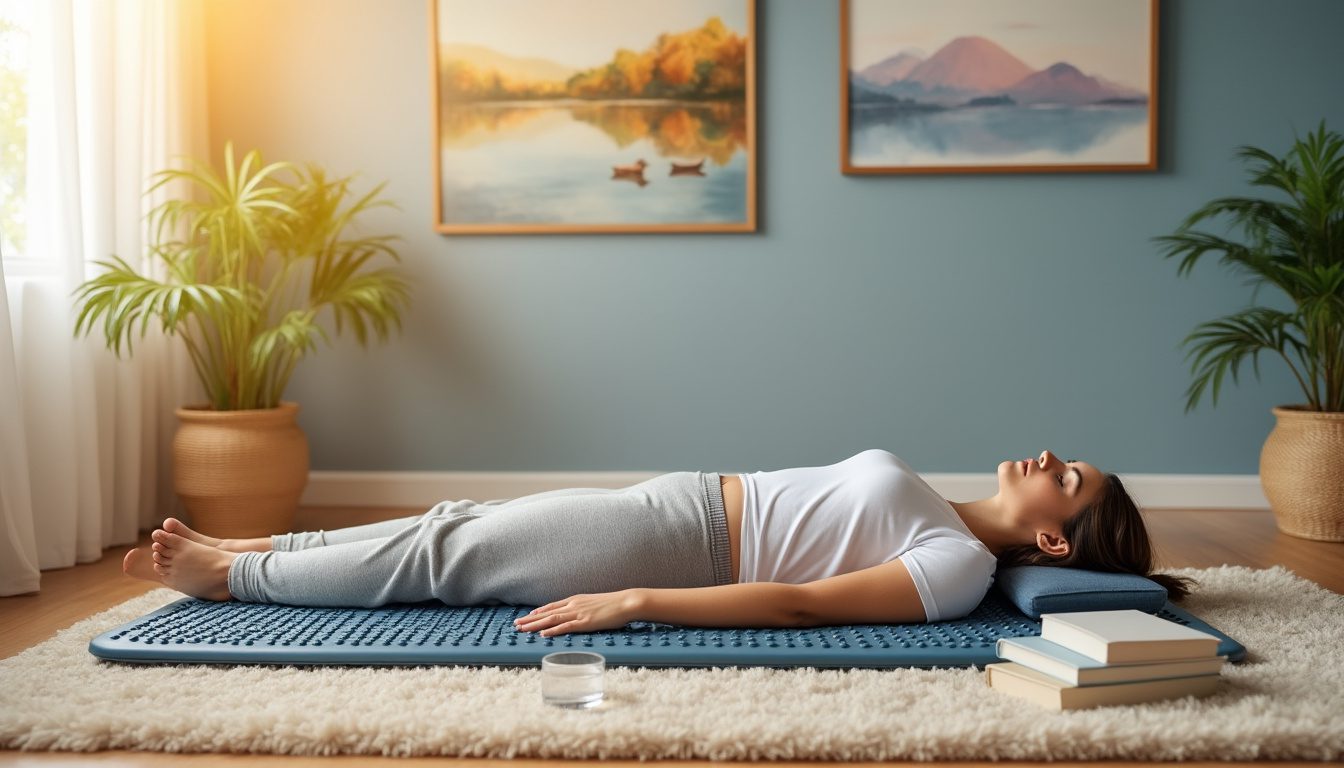
- Explore different positions such as lying flat on the back, sitting against the mat, or targeting feet or neck with smaller mats or accessories like an acupressure pillow.
- Combine mat use with breathing exercises or meditation to enhance relaxation benefits.
If the initial sensation is too intense, placing a thin cloth or light towel over the mat can reduce the pressure while acclimating. Segmenting the body by adjusting which areas contact the mat can also make the experience more comfortable during transition periods.
| Step | Recommended duration | Notes |
|---|---|---|
| Introductory use | 5-10 minutes | Adjust to spikes, use towel if needed |
| Regular sessions | 20-30 minutes | Optimal time for release of endorphins |
| Best time | Evening or post-exercise | Enhances sleep and muscle recovery |
| Posture options | Variable | Lying down, sitting, feet or neck focus |
Precautions and who should consult before trying an acupressure mat
Despite its non-invasive nature, acupressure mat use is not without precautions. Certain conditions warrant caution or professional guidance before incorporating these mats into wellness routines.
- Pregnant individuals: Avoid or seek medical advice due to potential stimulation of pressure points that can induce contractions.
- People with skin conditions or infections: Increased risk of irritation or exacerbation of skin problems.
- Individuals with circulatory disorders or blood clot risks: Caution advised, as increased blood flow might have unintended consequences.
- Those with neuropathy or decreased sensation: May not properly perceive pressure, increasing risk of injury.
- Anyone with implanted medical devices: Consult healthcare providers to ensure no interference.
Consulting a healthcare professional such as a licensed acupuncturist or physical therapist before beginning acupressure mat use is recommended for these groups to ensure safety and avoid adverse effects.
| Condition | Potential risk | Recommended action |
|---|---|---|
| Pregnancy | Stimulating uterine contractions | Seek medical advice before use |
| Skin disorders | Irritation and rash | Avoid use on affected areas |
| Blood circulation issues | Potential bleeding or clot complications | Consult physician first |
| Neuropathy | Risk of unnoticed injury | Use caution; monitor response |
Acupressure mats compared with traditional acupuncture: similarities and differences
While acupressure mats share common origins with acupuncture, key differences define their applications and outcomes. Understanding these nuances helps users set realistic expectations and make informed decisions about their therapeutic use.
Similarities include:
- Both stimulate pressure points associated with meridians and energy flow.
- Both aim to restore balance in the body and alleviate pain or stress.
- Activation of endorphin release and modulation of nervous system responses.
Differences are notable in the following ways:
- Precision: Acupuncture targets specific, localized points using needles, whereas acupressure mats provide broad, simultaneous stimulation across many areas.
- Invasiveness: Acupuncture is invasive; mats only apply external pressure without penetration.
- Accessibility: Mats can be used independently anywhere, while acupuncture requires trained practitioners.
- Stimulus control: Practitioners adjust needle placement and depth; mats deliver a uniform pressure pattern.
Many users find acupressure mats to be a gentle introduction to concepts similar to acupuncture practices, offering relaxation and pain relief without the commitment or cost of professional sessions. However, for targeted, chronic, or complex conditions, acupuncture under medical guidance may be more appropriate.
Experiences and testimonials highlighting real effects of acupressure mats
User voices paint a vivid picture of how acupressure mats translate ancient wisdom into tangible relief. A notable example is the ProsourceFit acupressure mat, boasting over 29,000 five-star reviews on Amazon, celebrated for its balance of firm stimulation and comfort.
Many reviewers emphasize the mat’s effectiveness for back, shoulder, and neck tension. One user shared how weekly sessions resolved persistent shoulder tightness, enhancing meditation and overall relaxation. Another highlighted significant relief from Piriformis syndrome after a single use, improving comfort and mobility drastically.
Another personal account humorously compared the sensation to stepping on thousands of tiny LEGOs but affirmed the intense and satisfying relief following use. Such testimonials underscore the mat’s impact on muscle relaxation and stress alleviation.
- High user satisfaction with pain relief and relaxation
- Reported improvement in sleep quality and reduction in anxiety
- Ease of use supporting integration into daily wellness habits
- Versatile for different body parts, especially back and neck
| User | Condition addressed | Reported benefits |
|---|---|---|
| Leanna H. | Shoulder and neck tension | Tension relief, improved meditation, stress reduction |
| L.H. Stever | Back pain, Piriformis syndrome | Significant muscle relaxation and pain alleviation |
| Melinda S. | Back stiffness and headaches | Intense relief, improved muscle flexibility |
Frequently asked questions about acupressure mats
-
How long should I use an acupressure mat each day?
Begin with 5 to 10 minutes per session and gradually increase to 20 to 30 minutes as tolerated, ideally once per day for stress relief and pain management.
-
Can acupressure mats replace medical treatment for chronic pain?
Acupressure mats may complement medical care but should not replace professional diagnosis or treatment, especially for severe or persistent conditions.
-
Is using an acupressure mat painful?
Some initial prickliness is normal; discomfort typically subsides as the body adapts. Users can ease intensity by wearing thin clothing or using a towel over the mat at first.
-
Are acupressure mats suitable for everyone?
Generally safe, but pregnant individuals, people with skin or circulatory issues, and those with sensory impairments should consult a healthcare professional before use.
-
Where can I buy quality acupressure mats and accessories?
Reliable products such as the ProsourceFit mat are widely available online. Accessories like the acupressure pillow enhance targeted relief.

Related Articles


-

Acupressure set Original Grey
109.90 € -

Purple Original acupressure set
109.90 € -

Original Black Acupressure Mat
69.90 € -

Purple Premium Acupressure Set
129.90 € -

Acupressure mat Orange Original
69.90 €


